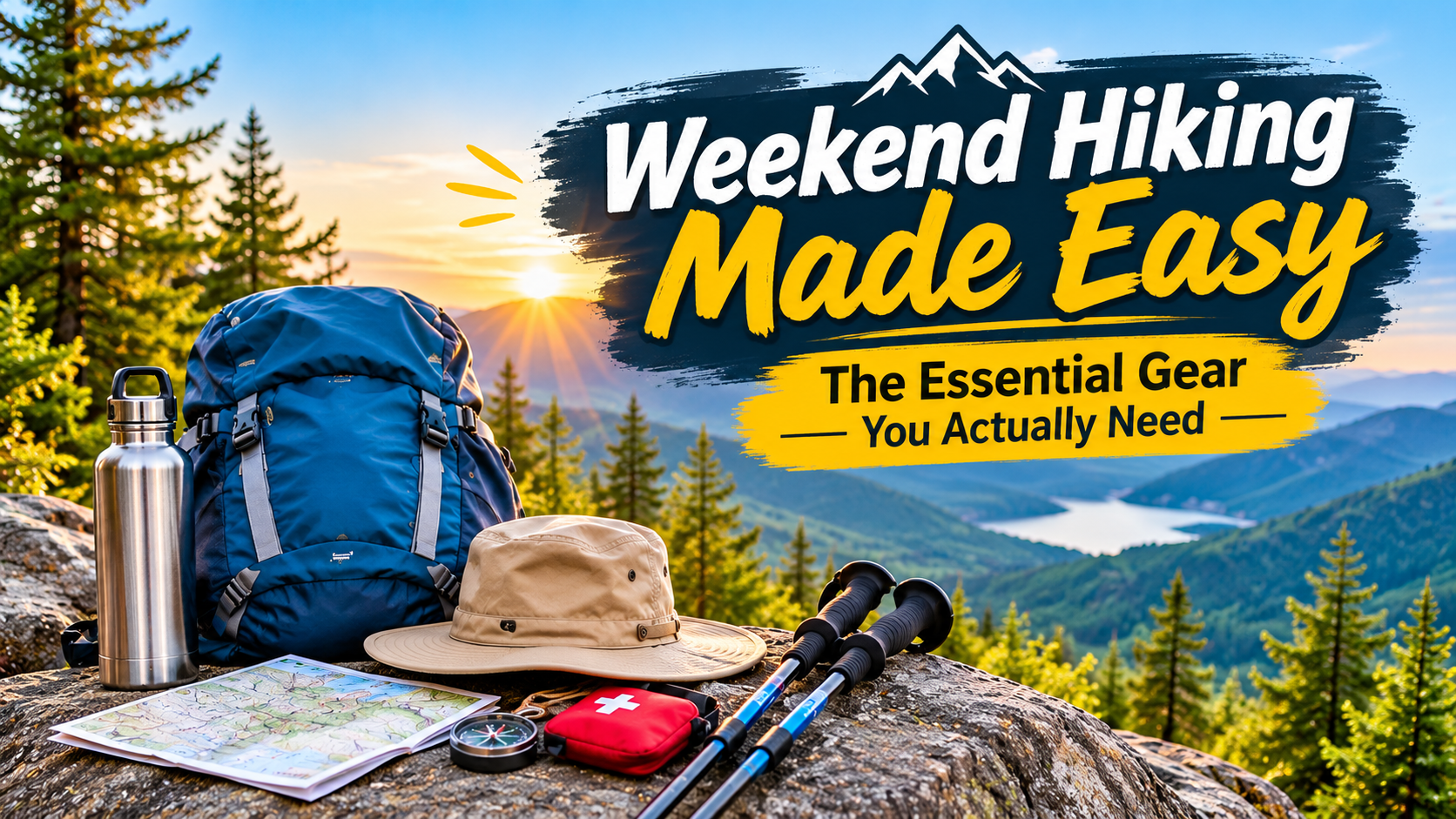
There is nothing quite like that crisp morning feeling when you lace up your boots and take your first steps onto a quiet dirt trail. Nature offers an effortless reset, fresh air, and rewarding views. Yet before heading out, one critical question determines whether your adventure is a joy or an exhausting struggle: what gear do you actually need?
Too many beginners fall into one of two traps. Some overpack, lugging a heavy bag filled with gadgets they will never touch, turning a three-mile walk into a chore. Others underpack, heading into the woods in flat gym sneakers without enough water, quickly ending up dehydrated, cold, or blistered. A successful weekend hike is not about buying out the store; it is about smart preparation. With decades of outdoor experience, trusted outfitters like Scheels emphasize that bringing the right essentials beats carrying extra weight. Here is the essential hiking gear you genuinely need, what to skip, and how to set yourself up for trail success.
Why a Dedicated Hiking Checklist Actually Matters
A weekend hike sounds deceptively simple until you are standing at the trailhead realizing you forgot your water bottle in the car, or you find yourself shivering on an exposed ridge because an unexpected afternoon breeze rolled in. Even on short, familiar local trails, outdoor conditions can change rapidly. Shaded canyon paths can feel significantly colder than sunny trailheads, unexpected rain showers can dampen your clothes, and rocky inclines can test your footing.
Having a dependable hiking gear checklist protects you from these common pitfalls. It eliminates morning guesswork, prevents hasty packing decisions, and ensures that you carry the items critical for safety, hydration, and comfort. A checklist is not about preparing for extreme survival scenarios; it is about establishing a reliable routine so that every mile on the trail feels invigorating and stress-free.
Start from the Ground Up: Good Hiking Shoes for Beginners
If there is one item where you should never cut corners, it is your footwear. Your feet absorb thousands of impacts across dirt, roots, and rocks. Wearing worn sneakers on rugged trails invites foot fatigue and painful slips. Beginner hiking footwear requires three core attributes: comfort, dependable traction, and appropriate stability.
Modern hikers typically choose between two main footwear styles:
- Trail Running Shoes: Lightweight, flexible, and highly breathable. Trail runners have become the top choice for well-maintained dirt paths and rolling hills because they dry quickly and require almost no break-in period.
- Hiking Boots or Mid-Cut Shoes: Excellent for rocky switchbacks, uneven roots, and steeper ascents. They deliver enhanced ankle stability, durable toe protection, and superior support when carrying a pack.
When shopping for footwear at an outdoor specialty store like Scheels, try shoes on later in the day when your feet are naturally swollen, and wear the exact socks you plan to use on the trail. Walk on inclined ramps to ensure your toes do not hit the front of the shoe, and always take new shoes on a short neighborhood walk before heading out on a longer route.
Do Not Forget Quality Hiking Socks
Pairing great hiking shoes with cheap cotton athletic socks is a recipe for blisters. Cotton traps moisture, creating friction against your skin. Invest in dedicated hiking socks made from merino wool or synthetic technical blends. These materials wick sweat away, cushion high-impact zones, regulate temperature, and keep your feet blister-free all day.
Day Hike Essentials You Can’t Skip
Once footwear is sorted, focus on your pack. For weekend day trips spanning two to six hours, a 15 to 25-liter daypack provides ample room without feeling bulky. Inside your pack, focus on these non-negotiable essentials:
1. Reliable Hydration
Dehydration is the quickest way to end up with a pounding headache and heavy legs. As a baseline, carry roughly one-half liter of water for every hour of moderate hiking in cool conditions, and increase that to a full liter per hour in warm weather. Whether you prefer a wide-mouth water bottle or a hands-free hydration bladder, always pack slightly more water than you expect to drink.
2. Nutritious Trail Snacks
Hiking burns sustained energy, especially when climbing inclines. Bring compact, nutrient-dense snacks that will not easily melt or crumble in your pack. Trail mix, beef jerky, energy bars, dried fruit, and nut butter packets provide a balanced combination of quick carbohydrates and lasting protein to keep your stamina steady.
3. Smart Weather Layers
Outdoor temperatures fluctuate rapidly between shaded forest trails and windy summits. Dress in functional layers so you can adjust easily:
- Base Layer: A moisture-wicking synthetic or merino wool shirt that keeps sweat off your skin. Avoid cotton entirely.
- Insulating Mid-Layer: A lightweight fleece pullover or compact packable jacket for cool mornings or windy rest stops.
- Weather Shell: A breathable, waterproof rain jacket that protects against unexpected mountain showers and brisk wind gusts.
4. Navigation and Safety Essentials
Never rely solely on cellular service for trail navigation. Download offline trail maps using trusted GPS apps before arriving at the trailhead, and bring a small portable power bank with a cable so your phone stays charged. Additionally, pack a compact first-aid kit containing blister bandages, antiseptic wipes, pain relievers, and a small emergency whistle.
5. Sun Protection
Sunlight reflects intensely off exposed rock, water, and open clearings. Always pack a broad-spectrum sunscreen with SPF 30 or higher, UV-protective sunglasses, lip balm, and a lightweight hat to guard against sunburn and glare.
Lightweight and Minimalist Hiking: Less Weight, More Fun
One of the best lessons beginner hikers can learn is that carrying less weight translates directly to a more enjoyable day on the trail. Heavy packs cause shoulder strain, tire out your leg muscles quickly, and increase the likelihood of stumbling on roots or rocks. A minimalist hiking mindset means carrying everything necessary for safety, warmth, and hydration while intentionally leaving behind unnecessary extras.
You do not need heavy survival knives, bulky camp chairs, or complicated multi-tools for a marked three-hour trail. By keeping your pack lean and organized, you move more freely, enjoy the scenery around you, and finish your hike feeling energized rather than beaten down.
Budget Priorities: What to Buy First and What to Defer
Gearing up for the trail does not require spending a fortune all at once. If you are starting on a budget, prioritize your investments strategically:
- First Priority: Proper footwear and quality moisture-wicking wool socks. Comfortable feet are the foundation of every great hike.
- Second Priority: A comfortable daypack and a reliable water bottle or hydration bladder.
- Third Priority: A dependable rain jacket and basic sun and first-aid supplies.
- Items to Defer: High-end GPS watches, carbon-fiber trekking poles, and technical backcountry gadgets can easily wait until your hikes grow longer and more demanding.
Shopping at a trusted outdoor retailer like Scheels is ideal for beginners because their knowledgeable team can help you select versatile, durable gear that fits your specific local trails without unnecessary upsells.
Frequently Asked Questions About Weekend Hiking
What is the single most important piece of gear for a beginner?
Footwear is your most vital investment. High-quality hiking shoes or trail runners provide traction and joint stability, while moisture-wicking wool socks keep blisters away from start to finish.
Can I hike in regular athletic gym sneakers?
For smooth paved park paths, gym shoes work fine. However, on dirt, loose gravel, or steep slopes, road sneakers lack the aggressive tread needed to prevent slipping and do not protect against sharp rocks.
Final Thoughts: Keep It Simple and Hit the Trail
Weekend hiking is one of the most rewarding ways to disconnect from daily stress and enjoy nature. You do not need a mountain of expensive gear to hit the trail. By focusing on supportive footwear, adequate water, nutritious snacks, smart layers, and a light pack, you set yourself up for safe, memorable adventures.
Trusted outfitters like Scheels make finding the right gear simple, whether it is your first mile or your fiftieth. Pack smart, keep it light, and get out there. The trail is waiting.