Introduction
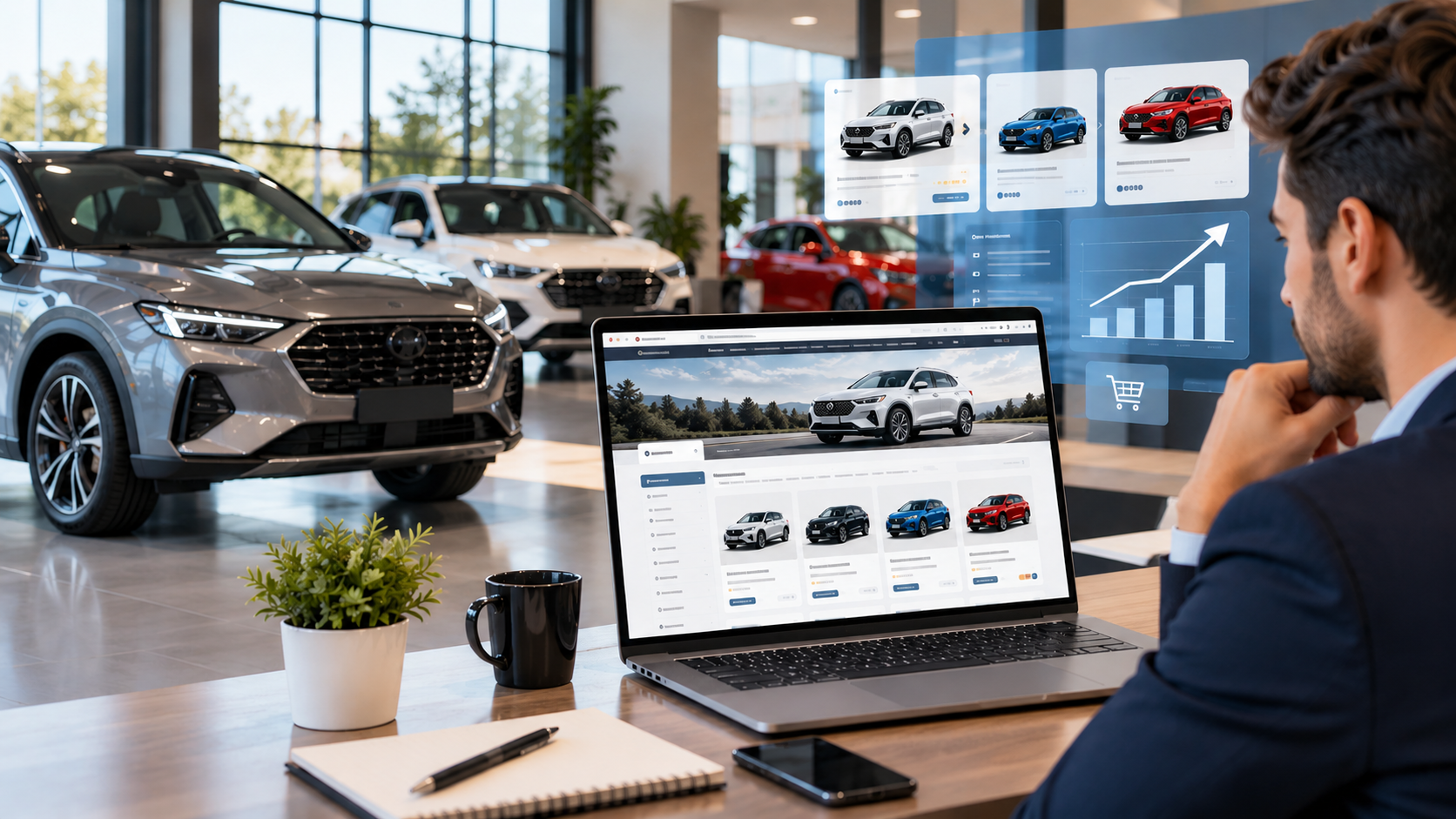
In the rapidly evolving landscape of automotive retail, car dealerships must change how they think about their showrooms. As we navigate through 2026, relying solely on physical foot traffic is no longer sufficient. Today’s customers are increasingly browsing and comparing vehicles online before ever setting foot on a dealership lot. They expect a seamless, digital-first experience. Having a dedicated Shopify store allows your dealership to reach a wider audience, present your vehicle inventory aesthetically, and streamline the purchase journey. In this report, we will break down step-by-step how to create a professional and customer-friendly online Shopify store for your automotive business.
1. Choose the Right Shopify Plan
The foundational step is selecting the Shopify plan that best aligns with the size of your dealership and budget. For listing vehicles, managing customer inquiries, and tracking sales, the standard ‘Basic’ or ‘Shopify’ plans are solid starting points. These tiers provide essential functionalities without overwhelming your team. We recommend utilizing their free trial to familiarize yourself with the platform before fully committing. As your business grows, upgrading to more advanced plans unlocks deeper reporting, multiple staff accounts, and powerful automations that help streamline your daily operations and marketing.
2. Pick a Suitable Automotive Theme
The theme you choose for your online showroom establishes a clear visual tone. Select a theme designed for large-scale, high-resolution image displays, clean navigation, and customizable sections for vehicle specifications. Shopify offers excellent premium themes like ‘Prestige’ and ‘Showcase’ that are highly suitable for dealerships. Look for themes that seamlessly integrate your brand colors and overall corporate style. Crucially, your chosen theme must support easy-to-read categories and an intuitive layout, allowing potential buyers to effortlessly browse your inventory and find their perfect match without frustration.
3. Add Vehicle Listings
Each vehicle on your lot deserves a dedicated, highly detailed product page. This page must include an extensive gallery of images, specifications, and clear pricing. Beyond visuals, utilize formatted bullet points to outline essential details such as mileage, color, engine type, transmission, and VIN. To improve your store’s search results, incorporate relevant keywords naturally, such as ‘OEM,’ ‘certified pre-owned SUV for sale,’ or ‘used luxury sedan.’ This structured approach ensures customers can quickly evaluate the vehicle and easily find exactly what they are looking for.
4. Write Simple and Engaging Descriptions
Your vehicle descriptions are what truly sell the car. They should be concise, engaging, and highly informative, emphasizing the unique characteristics of the vehicle—whether it’s unparalleled safety ratings, cutting-edge technology, fuel economy, or comfort. Avoid getting bogged down in overly technical jargon or presenting endless feature lists. Instead, translate features into tangible benefits that resonate with your audience. Use evocative phrases like “perfect spacious interior for family road trips” or “ideal for city commuting” to humanize the content. Compelling copy builds trust and actively moves users toward a purchase.
5. Set Up Payment and Financing Options
Purchasing a vehicle is a major financial commitment, so offering flexible payment options is an absolute necessity. Configure Shopify Payments, PayPal, or major credit card gateways to handle initial reservation deposits or full cash purchases. The true power of an automotive e-commerce site lies in financing. You can connect third-party financing apps or simply provide a prominent “Request a Quote” button for customers who want to discuss pricing and loans. This multi-tiered approach offers transparency, flexibility, and professionalism, accommodating diverse buyer preferences.
6. Include a Test Drive Booking Feature
Not everyone will be ready to instantaneously purchase a car on their first online visit. Bridging the gap between your digital store and physical lot is critical. Allow customers to schedule a test drive directly from the listing. By integrating booking applications like Sesami or BookThatApp, you create a seamless omnichannel experience. Customers can select a preferred time to meet with your team, and your sales staff can manage these appointments directly from the Shopify dashboard, ensuring no lead is ever missed.
7. Use Quality Photos and Videos
Cars sell at a significantly higher percentage when buyers have a comprehensive visual understanding of the vehicle. Standard photos are not enough. Embrace rich media by uploading high-quality galleries and professionally shot walkaround videos highlighting the car’s condition and engine sound. Furthermore, investing in 360-degree interactive interior and exterior views is a game-changer. Providing this level of visual transparency builds immense trust, sets your listings apart from local competitors, and gives buyers accurate expectations before they arrive at the dealership.
8. Add Customer Reviews and Trust Badges
Trust is the ultimate currency in online car sales. A polished website is meaningless if buyers doubt the dealership’s credibility. Strategically place customer testimonials, dealership certifications, and comprehensive warranty information throughout your site. Prominently display trust badges such as ‘Certified Pre-Owned Dealer’ or ‘Secure Checkout’ to reassure visitors. Leverage dedicated review aggregator apps to automatically collect and showcase authentic post-purchase feedback. Highlighting real stories from satisfied customers builds powerful social proof, providing the necessary push for hesitant buyers.
9. Optimize for Mobile Devices
The vast majority of online vehicle research begins on a smartphone. Therefore, your Shopify store must be mobile-first. Ensure your chosen theme features lightning-fast loading speeds, responsive design, and UI elements that are easily tappable. A mobile-optimized site not only provides a flawless browsing experience for your customers but also significantly boosts your SEO rankings. A clean, mobile-friendly layout guarantees that when nearby customers search for cars on the go, they can easily navigate your inventory without frustration.
10. Create ‘About’ and ‘Contact’ Pages
People like knowing exactly who they are buying from. Create an engaging ‘About Us’ section detailing your dealership’s history, core values, and commitment to serving customers. Additionally, build an easy-to-find ‘Contact Us’ page featuring your physical address, email, phone number, and a simple inquiry form. This gives visitors multiple ways to engage with your business. Integrating Google Maps functionality is also essential, ensuring customers can find your physical showroom effortlessly when they are ready for an in-person visit.
11. Install Helpful Shopify Apps
The true strength of Shopify lies in its expansive App Store, which allows you to customize your digital operations indefinitely. Beyond booking apps, integrating the right tools drastically improves store performance. Implement apps for real-time inventory management that sync with your existing systems. To capture leads and answer quick questions, install robust live chat solutions like Tidio. For ongoing customer engagement, email marketing platforms like Klaviyo are essential. Klaviyo can automatically trigger personalized follow-ups, vastly improving your team’s efficiency.
12. Focus on SEO and Marketing
To encourage consistent visitor traffic, you must actively optimize your website for search engines. This requires strategically adding high-intent keywords to your site’s titles, meta descriptions, and blog posts. Consider writing informative content like car maintenance tips or buying guides to drive organic traffic. Furthermore, promote your store on social media platforms and run highly targeted paid ads featuring special promotions. Consistently marketing your Shopify store will steadily build your dealership’s online reputation and visibility.
13. Secure and Launch Your Store
Before officially going live, take the necessary time to rigorously examine your store. Verify that all product descriptions are accurate, all links function correctly, and checkout security is flawless. Shopify automatically provides an SSL certificate to guarantee secure transactions. Once you are completely ready to launch, share an exciting announcement with your previous customers via email newsletters and across your active social media accounts. Offering limited-time promotional deals can also encourage your existing audience to act quickly.
14. Keep Your Store Updated
E-commerce requires ongoing maintenance. Make it a strict habit to regularly update your vehicle listings by promptly taking down sold cars and immediately replacing them with fresh inventory and new images. This crucial practice keeps your clients accurately informed about stock availability while simultaneously helping your store rank better with search engines. Regular, meticulous attention to the website reassures consumers that your dealership is highly engaged, professional, and entirely dedicated to building a reliable automotive business.
Conclusion
Building a robust, feature-rich Shopify store for a car dealership is an incredible opportunity to get in touch with modern car buyers. With easy-to-use digital tools, a highly customizable aesthetic, and seamlessly integrated marketing options, selling vehicles online has never been more accessible. Your dealership must focus intensely on visual quality, brand trust, and a frictionless customer experience. Embracing this strategy will significantly further your dealership’s online presence, engage passionate car buyers, and drive sustained growth for years to come.